

Reviewed · MUSEUMS
Yerevan Card Including Free 30+ Museums, 5+ Tours & Discounts
Yerevan Card is interesting because it turns a museum heavy trip into a simple checklist. You get free access to 30+ museums plus a ready-to-use setup for moving around town, including a map and SIM, so you can plan your own days without constantly calculating costs.
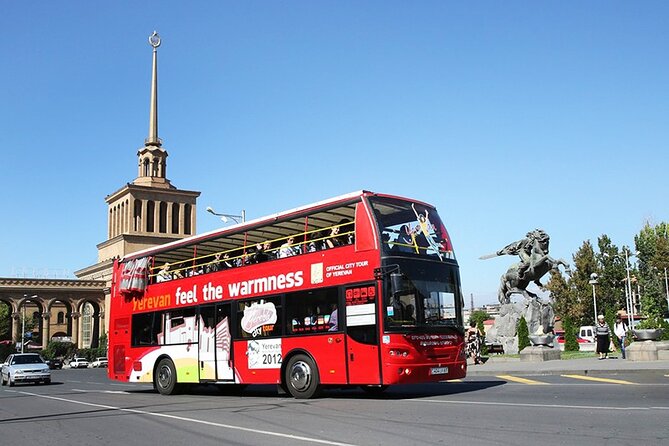
Two things I like a lot: free public transportation (including metro) and the built in extras that make Yerevan feel easy fast, like the Hop On Hop Off bus tour and the option for free scooter or bicycle time. One possible drawback to watch, the free museum clock starts only after you activate the card by scanning it at participating sites.
Key things to know before you go
- Free museum access with a time limit: activation triggers a countdown based on your card type
- 30+ museums plus “find your own pace” touring: perfect for a self-guided city break
- Useful add ons that save money: metro access, SIM with 7 GB Internet, map, guidebook
- Included themed tours: like the free tours for carpet, chocolate, and Ararat brandy
- Support that helps you lock in plans: the info office can arrange things efficiently (via WhatsApp and phone)
What You’re Really Buying for $40 in Yerevan
At $40 per person, this card is one of those value offers that only works if you actually use it. If you plan to visit multiple museums, the math gets good quickly, because you are not paying per ticket all day long.
What you get goes beyond museum doors. You also get free access to attractions and public transport, including metro, which matters in Yerevan where many stops are not all in one tight corner. Add in the 7 GB SIM with a map and guidebook, plus a 24 hour information service, and you end up with less stress on day one.
The card is private, meaning it is only for your group, not mixed with strangers. That is a big deal when you want to move at your own rhythm, linger longer in one museum, or just take a slower lunch break without feeling rushed.
More of Yerevan still to work through
- Group Tour: Gyumri (Urban Life museum, Black fortress, old town), Harichavank
★ 5.0 · 280 reviews - Private Yerevan City Tour: Erebuni, Matenadaran & Tsitsernakaberd Museums
★ 5.0 · 34 reviews - Private Tour: Echmiadzin, Treasure museum & Zvartnots Temple
★ 5.0 · 6 reviews
Activation, Time Limits, and How Not to Lose Free Entry
Here’s the key detail that can make or break value. Your Yerevan Card is activated only when the card owner (or museum staff) scans it using the card reader at a participating free-entry location. After activation, the program starts counting down hours based on the card type you chose.
When that limit runs out, the card deactivates free entries. The good news, discounts and special offers continue for a whole year, so you still benefit even after the free museum window closes.
Also, plan around Monday closures for the main museums. If your trip includes a Monday, you will want to front-load museum time on other days or swap in the sites that are open.
Finally, some activities need prebooking. If you want the included tours on your schedule, contact the support team ahead so you do not arrive and miss your slot.
The Smart Order: How I’d Plan Your Days With This Card
I’d treat this like two modes. In the morning, hit the museums that are more focused and indoor heavy, like manuscripts, ancient Yerevan, and art houses. In the afternoon, mix in gardens, viewpoints, and historic sites where you can step outside when you feel museum fatigue.
The Hop On Hop Off bus tour is included, and it is useful for orientation. I’d use it early in your trip to learn where everything sits, then build your walking and taxi strategy from there.
You also have practical “short distance boost” options via Yerevan Ride: either a 30 minute scooter ride or a 95 minute bicycle ride. That can help you connect between clusters without burning energy.
Your Free Stops, One by One, and What to Look For

More departures from Yerevan:
- Group Tour: Garni, Symphony of Stones, Geghard, Lavash Baking
★ 5.0 · 1,042 reviews - Group Tour: Lake Sevan (Sevanavank), Dilijan (Goshavank, Haghartsin)
★ 5.0 · 1,036 reviews - Garni & Geghard Small-Group Day Trip with Lavash Baking
★ 4.8 · 881 reviews - Khor Virap, Noravank and Birds’ Cave Trip with Wine Tasting
★ 4.8 · 845 reviews
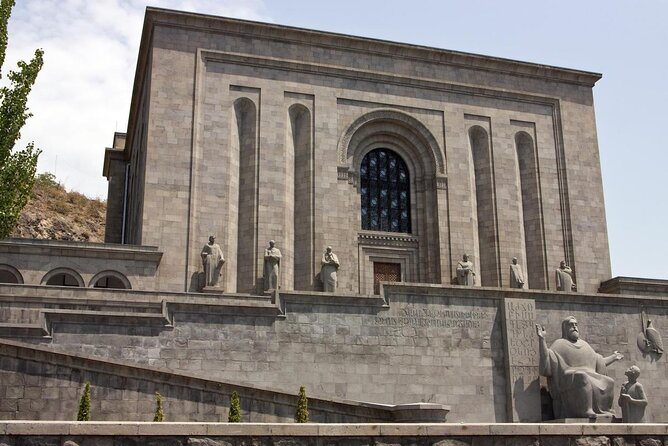
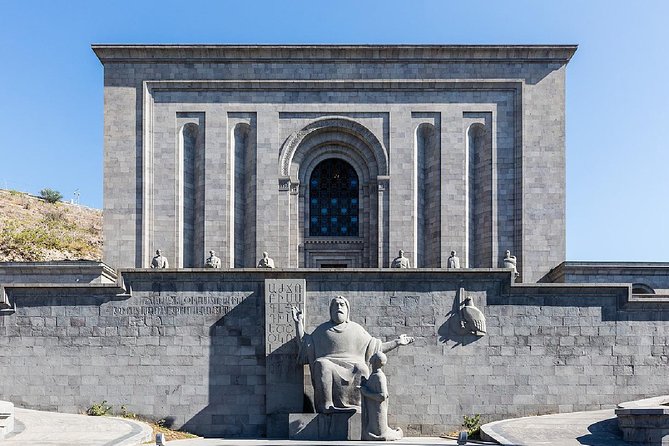
Stop 1, Matenadaran, Museum of Ancient Manuscripts
If you like text, scripts, and Armenia’s deep documentary heritage, this is a great first pick. Matenadaran is named after Mesrop Mashtots and is part of UNESCO’s World Network of memory, so the museum’s mission feels bigger than a simple collection.
It lasts about an hour, so you can fit it early without wrecking your day. The drawback, some exhibits are information heavy, so if you want a lighter visit, plan time for reading and then take a break nearby.
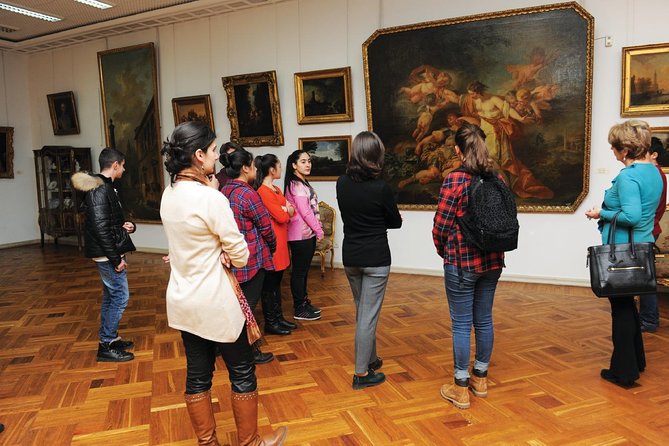
Stop 2, National Gallery of Armenia
With about 40,000 items housed in 55 halls of permanent and temporary exhibitions, you will not see everything in one trip. Think of this stop as choosing a few halls and going with your instincts.
The upside is variety, from major works to smaller pieces. A consideration, because it is large, you may want to arrive with a short plan so you do not wander for too long.
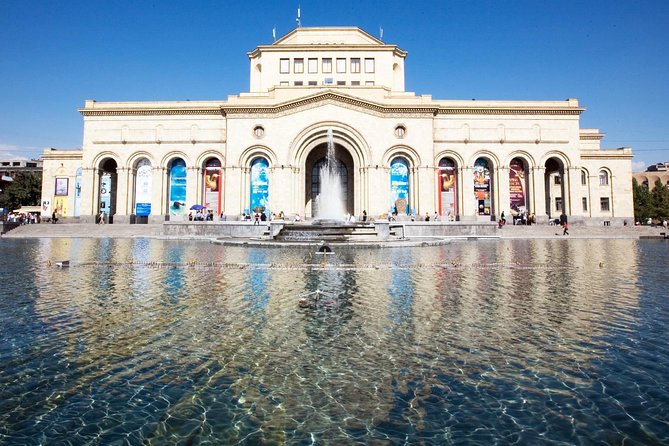
Stop 3, History Museum of Armenia
This museum has a famous hook, the oldest shoe in the world, discovered in Areni Vayots Dzor. It is dated roughly 5,637 to 5,387 years ago, which gives you a quick reality check on how old the region’s human story runs.
It is about an hour. If you’re not into archaeology artifacts, you might still enjoy it for the simple storytelling and the shock of seeing something that ancient.
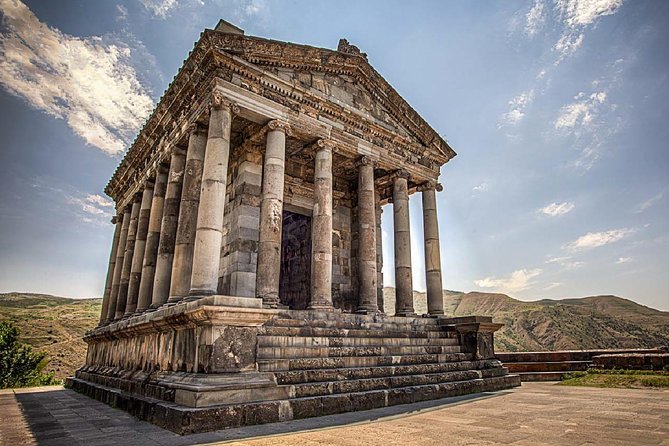
Stop 4, Garni Temple
Garni Temple is the only surviving pagan temple in Armenia, so it gives you a clear before-and-after contrast against later Christian sites. It is short and focused, about an hour, which makes it easy to pair with other nearby stops.
The consideration, it can feel more like a “see it and appreciate” moment than an all-day museum-style visit. Go if you want the cultural contrast, not if you’re expecting a long indoor exhibit.
Stop 5, Zvartnots Temple
Zvartnots is known for its unique architectural construction. Since 2000, it has been registered as a UNESCO World Heritage Site, in the company of the Cathedral of Echmiadzin and other churches in Vagharshapat.
This one is shorter, about 30 minutes. The upside is you can fit it into a busy day. The only real drawback, it is easy to rush, so slow down and look for the patterns and building logic.
Stop 6, ARARAT Museum
This museum ties culture to industry, using ARARAT as a symbol of a new beginning and a hospitable national identity. It also connects to the long Armenian tradition around grapes and wine, plus the modern story of brandy.
Plan about an hour. It’s likely to be a more enjoyable stop if you like brandy culture or want to understand how products become identity. If you’re not interested in alcohol history, you may want to keep your expectations about museum depth.
Stop 7, Megerian Carpet Armenia
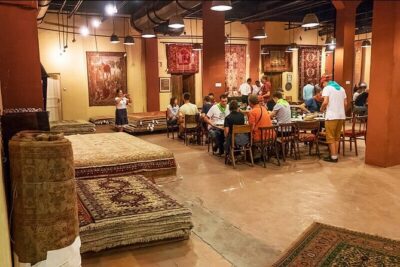
Carpets here are not treated like souvenirs, they’re treated like living craft. Armenians have been weaving for centuries, and the Megerian family story adds a restoration and production angle over four generations.
You get about an hour. If you enjoy craft processes, you’ll feel the difference. If you want a fast photo stop, you may feel it takes longer than you expect, because the details matter.
Stop 8, Erebuni Museum
Erebuni is where Yerevan begins. The historical and archaeological museum ties directly to 782 BC, and it’s famous for the claim that the city is about 29 years older than Rome.
This is about 50 minutes. The benefit is it sets the stage for everything else you will see. The only drawback, it helps if you’re okay with a lot of ancient context up front.
Stop 9, Parajanov Museum
This is one of Yerevan’s most visited creative spaces, dedicated to film-maker Sergei Parajanov. His heritage here is described as literary, artistic, and multi-layered, shaped by both local and European traditions.
Plan about an hour. The upside is you get a strong sense of one artistic brain. If you like clear linear history museums, you may find this one more emotional and impression driven.
Stop 10, Yerevan History Museum
This museum supports the city story on two levels: ancient and modern. It frames Yerevan as the 12th capital of Armenia, founded in 782 BC as Erebuni, and it was established as a museum in 1931.
Allow about an hour. If you want a straight narrative, it’s a good anchor. If you already went hard on Erebuni, you might blend the themes lightly instead of trying to absorb everything in one day.
Stop 11, Ervand Kochar Museum
Ervand Kochar’s work is presented as a major modern art phenomenon of the 20th century. The information here connects his name to avant-garde progress in Europe, including his Paris period.
This is about an hour. If you like sculpture and modern art, it should click. If modern art is not your thing, it can feel more abstract than you expect, so keep it paired with something more readable like a literature museum later.
Stop 12, Martiros Saryan House Museum
Martiros Sarian’s house museum is a painting-focused stop with personal context. It highlights him as the founder of the Armenian school of painting, and it uses his works to show how art can be a way of building imagination, not only reflecting reality.
Plan about an hour. The perk is the intimate setting, which tends to make art feel more personal. The possible downside, it’s less of a broad overview and more about one artist.
Stop 13, Folk Arts Museum
This is for folk traditions and the study behind them. The museum is described as a unique place for collecting, researching, repairing, studying, and promoting folk art genres.
It’s about an hour. The upside is you get culture with care, not just display. If you want strictly museum masterpieces, you might find it more educational and interpretive.
Stop 14, Modern Art Museum of Yerevan
Modern art here has a story built into the walls. Founded in 1972, it was the only one in the region for over 20 years, and it faced periods when modernist art was forbidden.
Allow about an hour. If you want to understand how politics shapes art, this museum can teach you that indirectly. If you want only famous works, you might need a little patience while you figure out the collection’s thread.
Stop 15, Hovhannes Tumanyan Museum
This one comes with a quirky detail that also works as a guide. You climb 54 stairs, and the museum notes that 54 is the number of years Toumanian lived.
It takes about 40 minutes. The upside is the museum uses that architecture to tell the story. The drawback, if stairs are a problem for you, consider it before you go.
Stop 16, Komitas Museum-Institute
Komitas is presented as composer, singer, teacher, ethnologist, and musicologist. The museum’s purpose is described as in-depth and systematic study of his life and works, then presenting the unique items in different countries.
This is about 45 minutes. The benefit is it’s not just performance, it’s research and preservation. If you prefer visual museums over music-focused ones, you might need to go in ready to read or listen.
Stop 17, Aram Khachaturian Museum
This stop covers another major Armenian composer, including his role as author of the first Armenian ballet, symphony, concert, and film music. It also places him among Soviet-era giants in a way that helps you understand his reputation.
Plan around 45 minutes. The upside is clear cultural context. The only caution, you may want this when you have energy for history and music background, not late in a long museum day.
Stop 18, Charents Museum of Literature and Arts
Yeghishe Charents is the focus here, and the permanent exhibition spans a 300 year time horizon. The displays are arranged across five showrooms covering Armenian literature, performing arts, music, and more.
It’s about 40 minutes. The plus is the structure helps you choose what to focus on. The possible drawback, if you only have one short literature stop in your plan, you might want to prioritize either this or Tumanyan, depending on your interests.
Stop 19, Museum of Russian Art
If you like 19th and early 20th century art, this one fits. It features paintings, graphics, sculptures, and works by masters from the 19th century into the early 20th.
Allow about 40 minutes. This can be a good reset from Armenian-themed stops. The drawback is it may feel narrower if your main goal is Armenian culture only.
Geological Facts, Gardens, Animals, and the Fun Stops (Stops 20 to 24)
Stop 20, Geological Museum of Armenia
This museum shows Armenia’s achievements by zones of geological structure and natural resources. You will also see mineral and rock maps plus fossil specimens of animals and plants.
Plan about 40 minutes. It’s a nice contrast day if you have been on art and literature. The consideration, it’s more science-forward, so if you want more human stories, pair it with a people-focused museum later.
Stop 21, Yerevan Botanical Garden
The botanical garden is in a semi-desert zone, which makes it feel more unusual than you might expect. It’s described as a resting place for locals and tourists, with diverse plant collections and some rare or endangered species.
Allow about an hour. The benefit is fresh air and a calmer pace after museum rooms. The drawback, it is not a full-day nature hike, so plan it as a reset, not a replacement for a long excursion.
Stop 22, Yerevan Zoo
Zoo entry is free with the card, and it says you can see animals and feed them. It takes about an hour.
If you’re traveling with kids, this is an easy win. If you are sensitive to animal welfare, you might want to keep your expectations realistic and treat it as a short stop.
Stop 23, TadDin Chocolatier
This is a straight-up break from the museum routine. You can take a free tour at TadDin Chocolatier, and it’s aimed at learning about Armenian chocolate, with tasting included in the idea.
Plan about 30 minutes. It is ideal when your brain needs a palate reset. If you’re not a chocolate person, you might still enjoy the production story, but keep it short.
Stop 24, Victory Park and Statue of Mother Armenia
Victory Park is paired with the Statue of Mother Armenia and the Military Museum Mayr Hayastan. It covers not only World War II history, but also the history of the liberation movement of Artsakh. Nearby you can find the tomb of the Unknown Soldier and other memorials listed in the description.
Allow about 40 minutes. The upside is it hits big themes and helps you understand Armenia’s modern memory. The consideration, this is heavier content, so plan it earlier rather than right before a late evening out.
Architecture, Memory Museums, Art Galleries, and Ancient Sites (Stops 25 to 32)
Stop 25, National Museum-Institute of Architecture of Armenian
This is where you learn how Armenian architectural engineering works, not just what buildings look like. It is framed as a key learning and discovery space for architecture knowledge.
Plan about 40 minutes. If you love details, you will likely enjoy it. If you want pure sightseeing only, it may feel more technical than expected.
Stop 26, Armenian Genocide Museum
This museum addresses the events of 1915 in Western Armenia and the killing of 1.5 million people. It describes this as the first genocide of the 20th century, so you should treat it as an important, emotional stop.
Allow about an hour. The value is that it is direct and structured. The drawback, it can be mentally heavy, so do not schedule it as your last stop of the day.
Stop 27, Eduard Isabekyan Gallery Yerevan
This gallery focuses on Eduard Isabekyan’s donated paintings and a permanent exhibition. It also includes the detail that his son Aram Isabekyan donated 28 paintings to the city, and that the gallery opened in a more recent timeline.
Plan about 40 minutes. The upside is a clean, focused art stop. The consideration, it is not huge in scope, so it works best as part of a broader art-and-culture plan.
Stop 28, Shengavit Settlement
Shengavit is an Early Agricultural settlement in the Near East, dated to the IV to III millennium BC. It is located in the south-western part of Yerevan, near Lake Yerevanian.
Allow about 40 minutes. The benefit is you get a real sense of early living patterns close to the modern city. The drawback, as an archaeological site, it may not feel like a museum with walls and labels everywhere.
Stop 29, Karmir Blur, Red Hill
Karmir Blur is tied to Teishebaini, a fortified city founded in 685 to 645 BC by Urartian King Rusa II. The site is described as in the south-western part of Yerevan suburb, with a historical and religious naming angle.
Plan about 40 minutes. The upside is you get the “ancient city” feeling without needing a long day trip. The possible drawback, like many archaeological sites, it rewards people who like to read context rather than only take photos.
Stop 30, Alexander Spendiaryan House Museum
This house museum uses Spendiaryan’s music as part of the experience, with the description saying the sounds accompany you from the entrance. The exhibit is described as telling the story of his comprehensive life course through relics.
Plan about an hour. The benefit is a lived-in, personal angle rather than a generic display. The drawback is it’s still centered on one figure, so it pairs best with other literature and composer stops.
Stop 31, House-museum of Avetik Isahakyan
This one is described as in the same house where Avetik Isahakyan lived during his last ten years. The mission is to save material evidence and pass it to future generations.
Allow about an hour. The upside is you get literature history with a tangible setting. The consideration, if you want broad civic history, you may prefer Erebuni or the city history museum instead.
Stop 32, Ara Sargsyan and Hakob Kojoian House-museum
This stop covers two major painter sculptors who lived and worked in central Yerevan for decades. Their house was later turned into a house museum, keeping the story in place.
Plan about an hour. The benefit is a sense of creative life over a single building. The drawback is it is again artist-focused, so it works best after you’ve set your expectations about what kind of museum day you want.
Free Tours You’ll Want to Add on
Besides walking into museums, you also have included tours tied to key themes. There are free tours for Taddin Chocolatier, From Paganism to Christianity, Megerian Carpet Rug museum, and Ararat Brandy Factory.
If you like getting the story behind things, this is where the card shines. Instead of staring at labels only, you can add a guided narrative to a few stops, then keep the rest self-paced.
A practical tip: book early if you can. Some activities need prebooking, and the free slots can run on a schedule.
How Support Can Save Your Trip (Yes, the names matter)
One of the best things about this setup is the human help around the edges. The Yerevan Card office can help arrange excursions efficiently and communicate by WhatsApp and phone. In particular, I’d keep an eye out for staff like Arev and Lilet, who are described as helpful with times and meeting points, and who can even handle an airport transfer reliably.
That support matters if you want to combine a card day with extra plans, like adding tours to Garni and Geghard style itineraries. (Just remember, your free access depends on participating locations and their scanning system.)
Should You Book the Yerevan Card?
Book it if you are the type of traveler who likes ticking off museums and building a city story with minimal hassle. This card is especially good value when you will visit several museums, use metro and transit, and actually use the extras like the Hop On Hop Off bus tour and included themed tours.
Skip it if you only plan one museum visit and mostly want cafés and walking around. With a time-limited free entry window that starts at activation, you will get less value if your schedule is light.
FAQ
FAQ
How much is the Yerevan Card?
The price is $40.00 per person.
How long is the card valid?
It is listed as 1 to 365 days (approx.), based on the card type you choose.
When do I need to activate the card?
You activate it after the card owner or museum employee scans it using the terminal at participating locations. Once activated, the program starts counting down the free-entry hours for that card type.
Do free museum entries continue after the time limit ends?
Once the limit is reached, the card deactivates free entrees. You can still enjoy discounts and special offers for the whole year.
Is the card valid on Mondays?
The main museums are closed on Mondays, so your free museum access may be limited that day.
What is included besides museum entry?
Included items cover free access to attractions, free public transportation including metro, a free SIM card with 7 GB Internet, a map and a guidebook, a free 24 hour information service, discounts on restaurants and shops, and several specific free tours and offers.
Are there museum guides included?
No. The package does not include a guide at museums.
Are the included tours free?
Yes. The card includes free tours such as Taddin Chocolatier, From Paganism to Christianity, Megerian Carpet Rug museum, and Ararat Brandy Factory. Some activities need prebooking.
Does it include an airport transfer?
Yes, there is a free transfer from/to the airport (one way).
Newest Yerevan write-ups
- Private tour: Garni, Geghard, Symphony of Stones and Sevan★ 5.0 · 3 reviews
- Private Tour: Lake Sevan, Sevanavank★ 4.5 · 3 reviews
- Bottle Your Own Local Sparkling Wine in Dilijan★ 5.0 · 3 reviews
- Haghpat & Sanahin UNESCO Sites Tour★ 2.4 · 3 reviews
- Armenian South day: Khor Virap, Areni, Karahunj and Tatev★ 5.0 · 3 reviews
- Private tour to Gyumri, Dzitoghtsyan Museum, Black Fortress★ 5.0 · 3 reviews
- Yerevan Walking Tour★ 5.0 · 3 reviews
- Private Tour: Tsaghkadzor, Ropeway, Kecharis Monastery, Sevan Lake, Sevanavank★ 5.0 · 3 reviews
Museums, compared.
Gyumri (Urban Life museum, Black fortress, old town), Harichavank
Read our review →
Private Yerevan City Tour: Erebuni, Matenadaran & Tsitsernakaberd Museums
Read our review →
Private Yerevan City tour: Cognac factory,Megerian Carpet Museums
Read our review →
Private tour to Gyumri, Dzitoghtsyan Museum, Black Fortress
Read our review →Browse the lists this tour appears in