
Reviewed · CITY TOURS
Soviet Yerevan: Small-Group City Experience
Soviet Yerevan turns parts of the city into a living history lesson, mixing landmark politics with everyday neighborhoods. In just about 4 hours, you’ll move from Republic Square to working-class apartment streets, then end at the famous Children’s Railway.
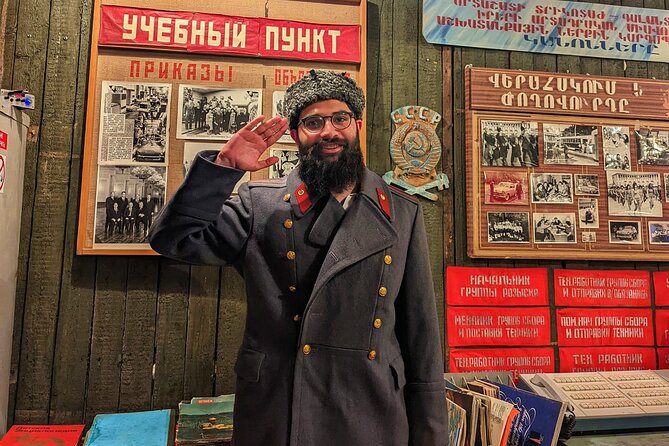
I love how the guide brings the era down to real people, with Marine weaving personal context into what you see. I also like the food stops, especially sampling Perashki and Ponchik at the market, plus that Soviet-style ice cream break.
One potential drawback: this is very much a Soviet-themed route. If you’re mostly chasing modern Yerevan viewpoints, some street scenes may feel repetitive.
Key highlights you should know before you go
- Small group, max 6 people, which keeps questions and photo stops from feeling rushed
- Mobile ticket and a route built around public transport, so you spend time looking, not figuring out logistics
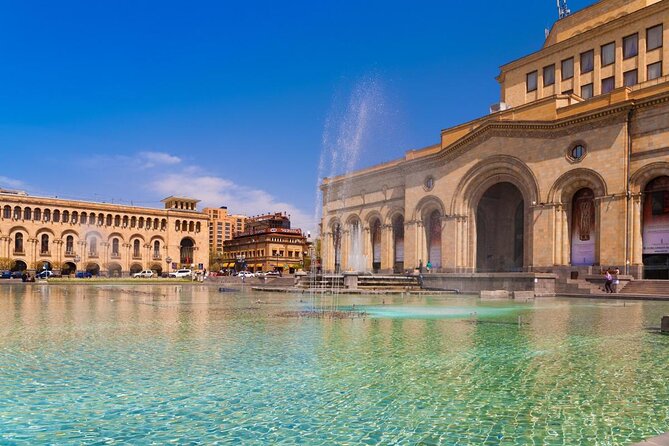
- Republic Square’s Soviet-to-independence story, from Lenin Square to the renamed centerpiece
- Sasuntsi Davit metro station, opened in 1981, with a pedestrian tunnel link toward the railway area
- Malatia-Sebastia market area called Bangladesh, where you sample local snacks while you wander
- Children’s Railway (1937), with the original station building and an early locomotive still intact
Soviet Yerevan in a small-group loop that feels human
This tour is interesting because it treats Soviet Yerevan like a place you can still read today, not a chapter sealed in the past. You get a focused, half-day route that blends major sites with neighborhood texture, and it stays intentionally small.
I like that the plan is methodical, so you’re not constantly sprinting between unrelated stops. You also get a built-in rhythm: walk, look closely, then hear how the buildings and places used to function.
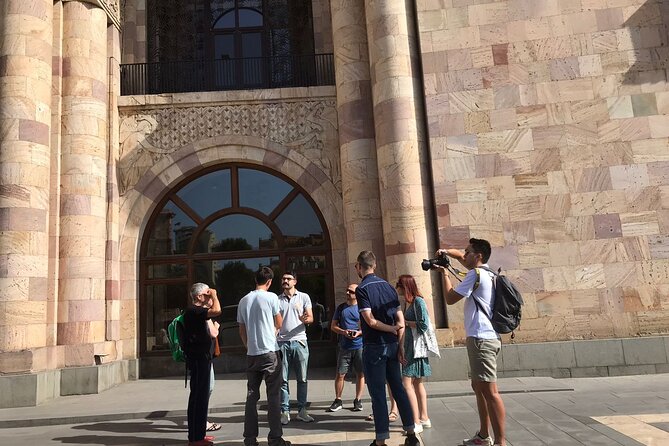
With a max group size of 6, the tour feels conversational. You can ask why a station is there, what a district was meant to do, or how daily life shaped architecture.
More departures from Yerevan:
- Group Tour: Garni, Symphony of Stones, Geghard, Lavash Baking
★ 5.0 · 1,042 reviews - Group Tour: Lake Sevan (Sevanavank), Dilijan (Goshavank, Haghartsin)
★ 5.0 · 1,036 reviews - Garni & Geghard Small-Group Day Trip with Lavash Baking
★ 4.8 · 881 reviews
Who this suits best
This is a great match if you care about Soviet-era design, transport, and how people actually lived. It also works well if you like tours where the guide talks, but doesn’t just lecture, and where there are snack breaks that are part of the story, not an afterthought.
If you only want Armenia’s oldest churches, museums, and monastery views, you may find the Soviet angle narrower than you hoped. But if you want a different side of Yerevan, this route is one of the most direct ways to get it.
Marine and the storytelling that makes architecture click
One of the strongest reasons this tour earns 5-star praise is the guide style. Marine comes across as confident, organized, and willing to mix factual context with personal perspective.
That matters, because Soviet buildings can look the same from far away if you don’t have a frame for what you’re seeing. When the story is delivered clearly, you start to notice details, like how public space supported parades and ceremonies, or how housing blocks were designed around a social idea.
You also get humor along the way, including Soviet jokes shared during the walk. That might sound minor, but it changes the whole tone. You don’t just memorize dates, you feel how people might have talked and thought.
Republic Square, Lenin Square to independence-era rename
You start at Republic Square, one of the most recognizable places in Yerevan. During the Soviet period it was called Lenin Square, and it once had a Lenin statue at the center of the public imagination.
This stop is short, but it’s a useful way to open your eyes. The space looks monumental, and it’s meant to host mass moments. Once you understand it was a stage for parades and celebrations, the square stops being only pretty scenery.
After Armenia’s independence, the Lenin statue was removed and the square was renamed. That change is more than a label shift. It signals how new political identity rewrites even the biggest, most “fixed” places in a city.
Practical tip: Republic Square is a good starting location because you can orient fast. It also makes a lot of sense before you move into smaller, lesser-known streets.
More of Yerevan still to work through
- Yerevan city tour with drinks in a classic car with photography
★ 5.0 · 41 reviews - Private Tbilisi Tour from Yerevan (main sights of old and new city, cable car)
★ 5.0 · 39 reviews - Private Yerevan City Tour: Erebuni, Matenadaran & Tsitsernakaberd Museums
★ 5.0 · 34 reviews - Walking Yerevan City Tour with 5 Wine & 10 years-old brandy
★ 5.0 · 17 reviews
Sasuntsi Davit Street and a metro station that still links places
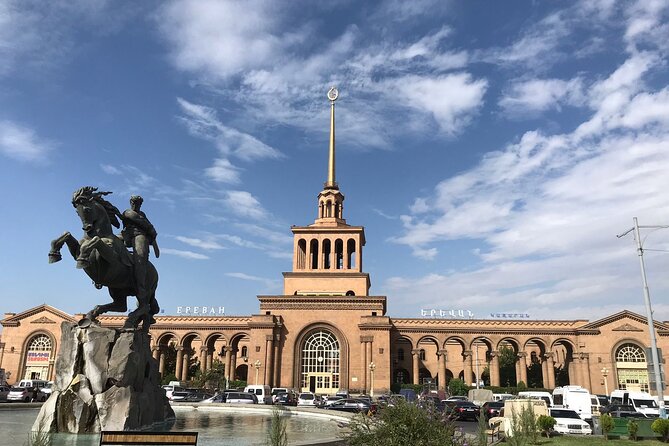
Next you head toward Sasuntsi Davit Street and the Sasuntsi Davit metro station. This station is one of the original metro stops in Yerevan and opened to the public on 7 March 1981.
What makes this stop worthwhile is the way it connects transport and local geography. The station links to the adjacent Yerevan railway station by a pedestrian tunnel. In plain terms, it shows how Soviet planning tried to move people efficiently between major travel points.
It’s also named for David of Sassoun. There’s a statue of him outside the railway station, and that gives you another layer to pay attention to: local identity sitting next to Soviet infrastructure.
Time-wise, this is built for looking without dragging. You get enough time to understand where you are and how the tunnel connection works before the route moves on.
Malatia-Sebastia and the market area called Bangladesh
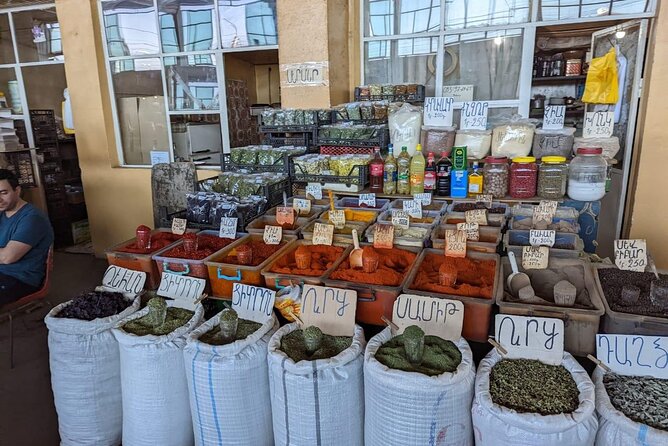
Then you’ll shift to Malatia-Sebastia, specifically an area known as Bangladesh. It’s famous for selling agricultural products, and this is where the tour gets more sensory.
You spend about an hour roaming the market area. Instead of looking from a distance, you’re in the flow of vendors, smells, and everyday commerce. That’s the point of this stop, because it gives you a Soviet-era city in modern motion.
The tour also includes sampling local sweets, and you’ll get Perashki and Ponchik during this market portion. If you like street food that’s simple and comforting, this is one of the best parts of the day.
This stop can be especially meaningful if you’re curious how older urban patterns survived political change. Even if the system changed, the city still has rhythms, and markets are where you can feel them quickest.
Practical tip: bring small cash if you’re the kind of person who wants to buy an extra snack after your included tasting. The tour provides samples, but you’ll likely want to keep exploring on your own once you’re there.
Beknazarian Street and that very Soviet apartment-block logic
After the market, you head to Beknazarian Street, in an area often described in terms of a CCCP, meaning USSR, district vibe. Here you see the “proletariat housing” side of Soviet life, with apartment buildings designed to house large numbers of people.
This stop is about understanding what these blocks were meant to do and why certain buildings are remembered. You’ll hear the story behind the last buildings built in Soviet times, which adds perspective beyond just walking past façades.
And then there’s the ice cream. The tour includes tasting Soviet ice cream, so you don’t leave this stop only with architecture in your head. It’s a small, fun break that matches the tour’s broader goal: make history something you can experience through more than photos.
A drawback to consider here: if you’re not especially interested in housing design or Soviet urban planning, the apartment blocks may feel like lots of exterior walking. The key is listening to the guide’s framing so the buildings stop being repetitive and start being readable.
Children’s Railway from 1937, an old station still alive
You finish with the Children’s Railway, built in 1937. It sits between the Hrazdan River and the Hrazdan water canal, and it’s a reminder of how the USSR treated learning as part of daily life.
This railway existed for kids to get motivated and learn about trains. The interesting part is that it continued functioning after the breakup, so you’re not only viewing Soviet design, you’re seeing a Soviet idea still in action.
You get admission included for this final segment, and the details here make a difference. The original main station building and the first 1937 locomotive are still intact. That means this isn’t just a modern attraction with a Soviet label. It’s tied to original physical pieces from the era.
This stop is a natural closer because it blends nostalgia with reality. Even if you do not care about train models, you’ll likely enjoy the atmosphere of a place built for teaching, not just transport.
Practical tip: it’s worth keeping your camera ready during this final stop. The station building and early locomotive details are exactly the kind of things you’ll want to photograph quickly before people move on.
Metro ride and Soviet-style van, how the transportation supports the story
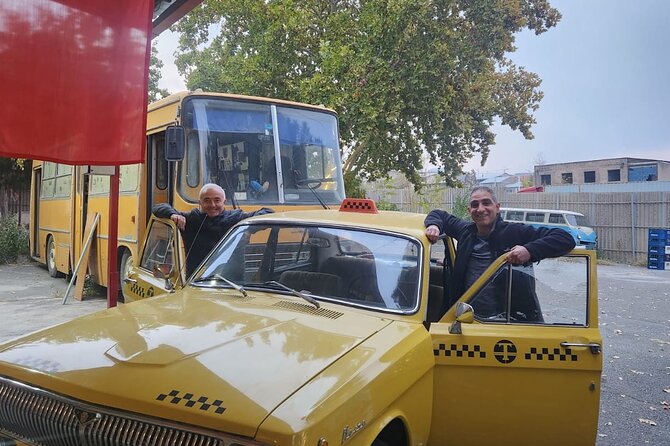
A big part of why this tour feels efficient is that it uses real movement around the city. You take the metro as part of the experience, and you’re also transported in a Soviet-style van.
That matters because public transport is one of the strongest clues for how a city works. When you ride the metro, you’re experiencing the practical side of Soviet planning in a modern context. When you’re in a van, you’re getting the route flexibility that lets the guide connect sites without long layovers.
The route is also designed so you’re not constantly stopping for extended transit breaks. The stops have clear time blocks, which helps you feel like you’re progressing, not waiting.
If you’re someone who gets tired of long walking tours, this balance can be a plus. If you love walking, you still get enough time on foot to actually look at the places.
Price and value, what $65 buys you in real terms
At $65 per person for about 4 hours, this tour prices like a small-group cultural experience. The good part is what’s included and how it connects.
You get:
- A local expert guide
- Metro ride and a Soviet-style van
- Snacks including Perashki and Ponchik plus a local sweet at the market
- Soviet ice cream tasting
- Children’s Railway admission included
The first stops have free admission tickets, so you are mostly paying for guided interpretation, transportation, and the included food plus the Children’s Railway entry. For many people, that’s the right kind of “pay once and go” arrangement.
Also, max group size helps here. When you pay $65, you want your guide time and attention to matter. With a small group, you’re more likely to get direct answers and a smoother pacing.
For what it’s worth, the best value in this tour is not the list of Soviet sites. It’s the combination of those sites with food, transport, and the guide’s ability to link all of it into one story.
Where you start, where you end, and how to plan your afternoon
You meet at the Ministry of Foreign Affairs, Government House #2, Republic Square. The end point is Diana Abgar Park, near Arami poghots.
Because the tour runs for about half a day, it’s easiest to treat it as your main planned activity in Yerevan for that time window. You’ll likely want light meals before you go, since you’ll have snack sampling mid-route, but you can still plan a proper dinner afterward.
If you’re planning other stops the same day, consider that this tour already covers a mix of central and outskirts areas. It’s best to pair it with something that doesn’t require much travel time right after.
Should you book Soviet Yerevan?
Book it if you want a different angle on Yerevan, one that connects Soviet-era space to daily life. You should also book if you enjoy tours where the guide talks with confidence, shares personal perspective, and keeps the flow organized.
Skip it or think twice if Soviet architecture and Soviet-era urban planning are not your thing. If you’re hoping for only modern city sights or only Armenia independence-era sites, this route will naturally focus elsewhere.
If you do book, I’d plan for comfortable shoes and a bit of patience for market walking. The best moments come when you slow down, listen, and take the food and train-railway finale seriously as part of the day, not just extras.
Newest Yerevan write-ups
- Private Tour: Lake Sevan, Sevanavank★ 4.5 · 3 reviews
- Private tour: Garni, Geghard, Symphony of Stones and Sevan★ 5.0 · 3 reviews
- Bottle Your Own Local Sparkling Wine in Dilijan★ 5.0 · 3 reviews
- Armenian South day: Khor Virap, Areni, Karahunj and Tatev★ 5.0 · 3 reviews
- Haghpat & Sanahin UNESCO Sites Tour★ 2.4 · 3 reviews
- Yerevan Walking Tour★ 5.0 · 3 reviews
- Private tour to Gyumri, Dzitoghtsyan Museum, Black Fortress★ 5.0 · 3 reviews
- Private Tour: Tsaghkadzor, Ropeway, Kecharis Monastery, Sevan Lake, Sevanavank★ 5.0 · 3 reviews
City Tours, compared.

Yerevan city tour with drinks in a classic car with photography
Read our review →
Private Tbilisi Tour from Yerevan (main sights of old and new city, cable car)
Read our review →
Private Yerevan City Tour: Erebuni, Matenadaran & Tsitsernakaberd Museums
Read our review →
Walking Yerevan City Tour with 5 Wine & 10 years-old brandy
Read our review →
Private tour to Tsaghkadzor city (Ropeway), Lake Sevan, Sevanvank, Dilijan
Read our review →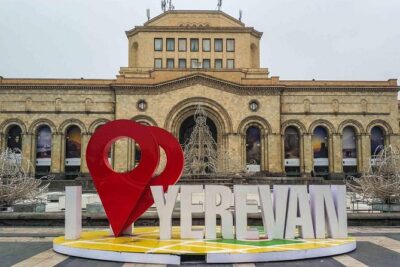
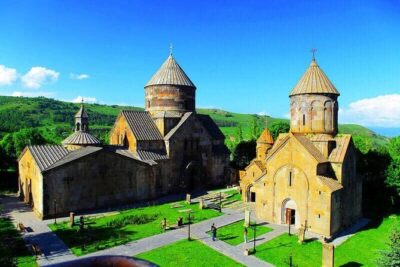
Private Tour to Tsaghkadzor city (Ropeway) and Kecharis Monastery
Read our review →Browse the lists this tour appears in