
Gyumri is the kind of Armenian city that feels real fast, and this day trip strings together city life, cinematic old streets, a Russian-era hilltop fortress, and then Harichavank monastery. I especially like the stop at the Urban Life Museum and the dramatic walk around the Black Fortress.
This trip is also a long day. You spend significant time on the road from Yerevan, and the guide works in English and Russian, so you may want a bit of patience with the language switching.
Key moments worth planning for
- Urban Life Museum in a red tuff mansion built in 1872 by merchant Petros Dzitoghtsyan, now a window into how people lived in Gyumri
- Black Fortress views over Shirak stadium, plus big photo angles of the black stone complex
- Old Gyumri streets with film connections and an atmosphere where you can almost hear the hammers from the crafts tradition
- Lunch with 3 choices at a national-style restaurant, pay on arrival in AMD
- Harichavank Monastery in the Shirak region with St. Gregory and St. Astvatsatsin churches, plus a small chapel on split rock
Why this Gyumri and Harichavank day feels different from Yerevan
If most of your Armenia time is focused on Yerevan, this outing gives you a totally different pace. Gyumri sits in Shirak Province, in the middle of the Shirak valley, and the city reads like a collage of everyday life, older architecture, and major historical layers. It’s not just “see a place,” it’s see how the place works and what shaped it.
I also like the way the day trip is built in arcs. You start with city culture and museum context, you then shift to fortress-scale views, and you end with monastery architecture that has weathered centuries. It’s a clean flow: people, defense, faith. Guides often make that flow click, and you’ll likely get that. In recent groups, guides like Hayk have been praised for shaping the story in an engaging way, and I love that kind of momentum on a long day.
The only watch-out is practical. You’ll be in a group setting with seats not fixed in advance, and it’s a mixed English/Russian experience run by a professional guide. If you want every minute in one language only, plan for some switching.
More of Gyumri:
- Museum of Illusions Tour
★ 5.0 · 84 reviews - Gyumri Architectural Walking Tour
★ 4.9 · 11 reviews - Private Day Trip From Yerevan to Gyumri
★ 4.8 · 10 reviews
The road from Yerevan and your first look at Gyumri
Most days like this start with an air-conditioned drive out of Yerevan toward Gyumri. It’s a straightforward transfer, but it matters because you’re covering ground across the Shirak valley. The good news: you get bottled water and sweets, and there’s WiFi onboard, so the ride doesn’t feel like wasted time.
When you arrive, you’re guided into the city center and oriented to Gyumri’s key zones. This matters more than people think. Gyumri’s streets and historic district can feel like they belong to a different era, and your guide’s framing helps you understand what you’re looking at before you start wandering.
You’ll also get the sense of Gyumri as a “cultural capital” in local terms. The tour style is about local traditions and national spirit rooted in daily life, not only monuments on a checklist. That’s why this trip works for first-timers and returners alike: even if you’ve seen Armenia’s big landmarks, you’re getting the everyday layer.
Dzitoghtsyan Museum: how Gyumri’s everyday life survived in one mansion
Your first major stop is the Dzitoghtsyan Museum of National Architecture and Urban Life. The setting is a big part of the experience. The mansion was built in 1872 by the merchant Petros Dzitoghtsyan using the indigenous red tuff stone of Shirak. So even before you enter the exhibits, you’re inside the material culture of the region.
Then the museum does what good urban-history museums do. It gives you context for architecture and daily routines, instead of treating the city as only a set of sights. You can expect exhibits tied to Gyumri’s history, culture, and architecture, and you’ll come away with a clearer idea of why certain buildings and neighborhoods look the way they do.
This is also a smart early stop. By the time you move toward the fortress and the older streets, you’re not just taking photos. You’re noticing patterns, like how local materials shaped construction and how the city’s identity took form over time.
One more practical detail: you’ll likely do a photo stop first, then a guided visit. That split helps you keep the pace without feeling rushed.
Urban Gyumri walking: old streets, crafts sounds, and film-street vibes
After the museum, the day shifts into “walk the city” mode. This part is one of the best reasons to pick a guided tour rather than going solo. Gyumri’s old streets have that lived-in feel, and your guide connects the dots: famous Armenian films were shot in parts of old Gyumri, and you can learn where and why those locations became cinematic backdrops.
You’ll also hear about crafts traditions through the atmosphere of the historic district. The tour description specifically points to moments where you get a sense of smiths’ hammers, which is a great reminder that a city isn’t only buildings, it’s work and skills.
A key theme is also resilience. Many old houses resisted the devastating 1988 earthquake, and your walk gives you a chance to recognize how architecture carried on. Even if you’re not an architecture buff, you’ll feel the difference between “new construction” and “survived through history” when you’re in those streets.
Expect guided time plus an extra window for free time, so you can step away to browse or re-check your photos. If you’re traveling with the kind of energy that likes to wander without being herded, that free time is a real plus.
Another direction out of Gyumri entirely:
- Paint Your Own Traditional Doll
★ 5.0 · 10 reviews - Professional Armenian Costume Photo Shoot
★ 5.0 · 8 reviews - Private Professional Armenian Costume Photo Shoot
★ 5.0 · 6 reviews - Gyumri: Private Guided Walking Tour By A Local Guide
★ 5.0 · 6 reviews
Black Fortress in black tuff: a fortress you can actually feel
The highlight for many people is the Black Fortress. It’s an abandoned Russian imperial hilltop fortress, built from black tuff, and it sits as the southern castle of the ancient Alexandrapol fortress. The name alone makes it sound dramatic, but what you really notice is the scale and the texture.
Even your first look comes with big vantage energy. You’ll enjoy views that extend toward the Statue of Mother Armenia and Shirak stadium. That mix of sightlines matters, because it shows how a site that’s clearly ancient now sits inside a modern city geometry.
The guided portion helps you understand what you’re seeing. The complex of military buildings isn’t restored in a “theme park” way. Instead, it has the feeling of something left behind, and that works in your favor. You get to read the fortress as a historical presence rather than only a photo stop.
If you like your sightseeing with atmosphere, this is where the day turns cinematic for real. A fortress high above the valley has that instant sense of history pressing against the present.
Lunch in Gyumri: national-style food, pay in AMD, choose your moment
Lunch is built into the middle of the day, which is helpful because you’re not trying to power through with only snacks. The meal is at a national-style restaurant, and you get 3 meal options to choose from.
Here’s the practical part you should plan for: the lunch cost is not included, typically 3900 – 4900 AMD (about 10 – 13 USD). You pay upon arrival, and it’s specifically noted that credit card might not always work. So bring cash Drams. This is one of the easiest ways to protect your day from an awkward pause.
Taste-wise, since it’s a national-style restaurant, you should expect a proper sit-down meal rather than a quick bite from a kiosk. Also, because your group is on a set schedule, you’ll want to use your time efficiently after lunch, not stare at the menu for too long if you hate decisions.
Harichavank Monastery: St. Gregory, St. Astvatsatsin, and a chapel on split rock
The day ends at Harichavank, one of the most prominent monastic centers in the Shirak region. Monasteries often feel similar at first glance, but Harichavank has specific details that make it memorable.
You’ll explore the main complex including the Church of St. Gregory and the Church of St. Astvatsatsin, both established before the 13th century. That early origin matters because it gives the architecture a long life in layers, even if not every part is equally visible.
Near the main buildings, there’s also a small chapel built on rock that split from the cape during an earthquake. The description says that chapel now towers over the canyon, which is exactly the kind of visual detail that makes you stop walking and just look. It turns geology into architecture, and architecture into history.
You’ll also have guided time plus free time, so you can linger where the light is best or where you want a slower moment. Since the monastery is a spiritual and cultural center, it helps to treat this part with a calmer pace. The group moves, but you can still choose where to linger.
In previous groups, guides have even used the space for storytelling and sound. One guest noted brief singing in Harichavank to demonstrate acoustics. That’s the kind of extra touch that can make the final stop feel less like a checkpoint and more like a closing memory.
Getting the most out of the schedule without feeling rushed
This is an 11-hour day trip from Yerevan, so pacing is everything. The day includes multiple guided segments and a couple of walking times. It also includes scenic moments on the way to Harichavank, which is nice because it breaks up the “sit and watch” stretches.
A few things to keep in mind as you plan your day:
- You’ll be on your feet during walks in old Gyumri and at the fortress area.
- Harichavank includes walking on monastery grounds, so comfortable shoes matter more than you think.
- Seats are not fixed in advance, so expect you’ll be assigned based on availability.
If you’re the type who needs lots of breaks, this tour might feel full. If you can handle steady movement and enjoy a guided flow, you’ll likely find it a great use of time. The inclusion of bottled water, sweets, and WiFi helps the day feel more “managed,” especially for long road time.
Price and value: is $41 a smart deal for this mix?
At $41 per person, this trip is priced to be accessible, and the value comes from what’s included rather than what you have to add later. Admissions are included, you get a professional guide in English and Russian, and transport is air-conditioned. Bottled water, sweets, and WiFi are added comforts that make long days feel easier.
Then there’s the “shape” of the day. You’re not only visiting one site. You’re doing museum context in Gyumri, then a major fortress viewpoint experience, then a monastery with older churches and a striking chapel story. That combination usually costs more when paid separately, especially when admission fees and guided interpretation are involved.
Your main extra cost is lunch, which is 3900 – 4900 AMD, and you pay in cash. That’s not a deal-breaker, but it is the one thing you should budget for. With that in mind, I’d call this a good value for a first-time Gyumri visitor, especially if you want a structured day rather than piecing things together on your own.
The other “value” factor is the quality of guidance. Multiple recent comments praised specific guides and drivers, including Hayk and Karen, Manya and Hovsep, and Marina and Karen in separate groups. The consistent theme is that people felt safe and informed, and that matters on a day that starts early, moves steadily, and returns to Yerevan by the end of the day.
Who this tour suits best, and who should think twice
This trip is a strong match if you want more than a Yerevan day. You’ll enjoy it if you like cities with character, old neighborhoods where you can feel history in the buildings, and sites that offer both interpretation and viewpoints.
It’s also a good choice if you enjoy a guided approach. The guide’s job here is to connect museum context to street scenes, then connect the fortress to the broader history of the region, and finally connect the monastery to older Armenian religious architecture.
It may be less ideal if you have limited mobility, since it is not suitable for wheelchair users. It may also be less ideal if language switching would frustrate you, since it’s an English/Russian guided setup rather than a single-language tour.
Practical tips: what to bring and how to dress for comfort
The tour asks you to bring comfortable shoes and weather-appropriate clothing. That’s not filler advice. You’ll be walking around old streets and at the fortress and monastery grounds.
There are also clothing restrictions: shorts and short skirts are not allowed. I’d treat this as a monastery-respect rule that applies to the whole day, so dress comfortably but with coverage.
Also plan for cash. Lunch is paid upon arrival, and credit card might not always work at the restaurant, so take some AMD. Bottled water is included, but bring your own small water bottle only if you personally prefer it.
Should you book the Gyumri sightseeing, Black Fortress, and Harichavank trip?
I’d recommend booking if you want a full-day introduction to Shirak Province that actually connects the dots. For the price, you’re getting guided interpretation, included admissions, and a mix of museum, fortress, city streets, and a monastery with specific architectural highlights like St. Gregory, St. Astvatsatsin, and the earthquake-split chapel.
I’d hesitate only if you strongly prefer a single language throughout, since the English and Russian guide format can shift during the day. I’d also skip it if you need wheelchair accessibility, since it’s not suitable for that.
If you’re flexible and ready for a long day, this is one of the more satisfying ways to see Armenia beyond Yerevan, with a real “Gyumri to Harichavank” story arc you can feel from start to finish.
FAQ
How long is the Gyumri, Black Fortress, and Harichavank group tour?
It runs for 11 hours, from the departure at the Hyur Service head office to returning back to the same meeting point.
What does the tour include in the price?
The price includes a professional guide (English and Russian consecutively), air-conditioned transportation, bottled water, sweets, WiFi, and admissions.
Do I pay for lunch separately?
Yes. Lunch is not included, and it costs about 3900 – 4900 AMD (about 10 – 13 USD). You choose from 3 meal options and pay upon arrival.
Should I bring cash for lunch?
Yes. It’s recommended to bring cash Drams because credit card payment for lunch is not always possible.
What languages is the guide speaking?
The guide provides live commentary in English and Russian.
Where does the tour start and when should I arrive?
The meeting point is Hyur Service (Head Office). Arrive 15 to 30 minutes early for check-in.
What should I pack and wear?
Wear comfortable shoes and bring weather-appropriate clothing. Shorts and short skirts are not allowed.
Is this tour wheelchair accessible?
No. It is not suitable for wheelchair users.
Newest Gyumri write-ups
- Discover Gyumri by Train, the City of Art and Culture★ 4.9 · 3 reviews
- Armenia’s Cultural Capital։Gyumri★ 5.0 · 4 reviews
- Make Your Own Gyumri Door at Varem Marem Studio★ 5.0 · 4 reviews
- Museum of Illusions Gyumri★ 4.2 · 5 reviews
- Professional Armenian Costume Photo Shoot★ 5.0 · 8 reviews
- Private Day Trip From Yerevan to Gyumri★ 4.8 · 10 reviews
- Paint Your Own Traditional Doll★ 5.0 · 4 reviews
- Private Professional Armenian Costume Photo Shoot★ 5.0 · 6 reviews
Gyumri Tours, compared.



Private Professional Armenian Costume Photo Shoot
Read our review →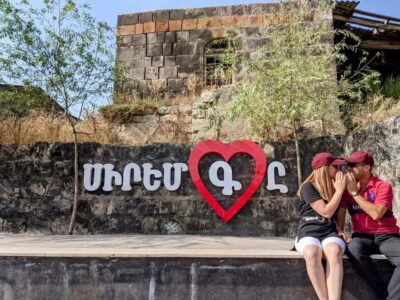
Group Tour to Gyumri: City tour, Monasteries and Culture
Read our review →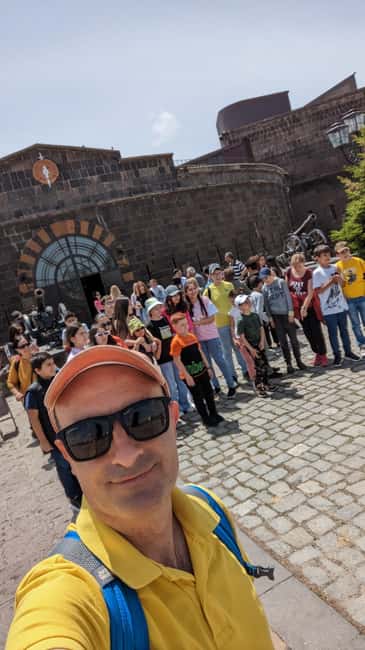
Gyumri: Private Guided Walking Tour By A Local Guide
Read our review →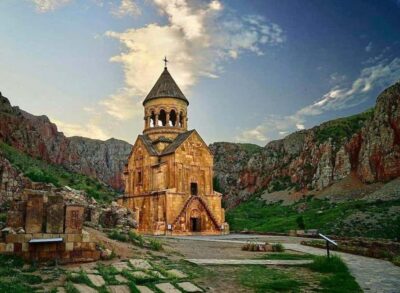
3 Day Private Tour with an Exclusive Visit to Gyumri
Read our review →Browse the lists this tour appears in